How to Stay Quiet in A Quiet Place: Deadzone
Footstep discipline, surface choice, and squad habits that keep Death Angels unaware.
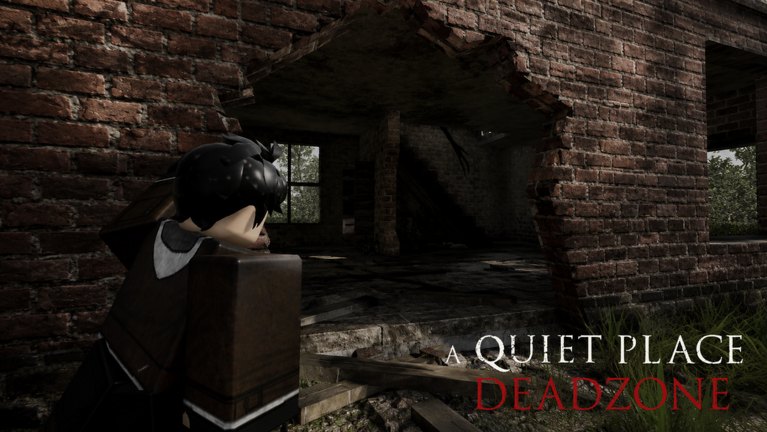
Silence is the real health bar
In A Quiet Place: Deadzone on Roblox, Death Angels do not need to see you—they hear you. QPG STUDIOS models Cold Spring, New York as a sound trap where asphalt, glass, metal stairs, and panicked sprinting each broadcast different threat levels. Your primary defensive stat is not armor—it is decibels never produced.
Pre-alpha tuning can change exact noise radii per patch, but player skill transfers: choose surfaces, pace movement, and coordinate teammates so the world stays quiet. Pair this guide with Creature Behavior and the Noise Threat Tier List for context on how creatures respond once noise exists.
Movement fundamentals
Walk by default, sprint only by plan
Treat sprint as an emergency ability with a cooldown measured in creature distance. Every sprint burst sends a cone of footstep noise ahead and behind you. If you must sprint, know your exit—doorway, interior, elevation change—before you spend the noise.
Crouch in high-risk zones
Interiors near loot clusters, narrow alleys with metal grates, and open intersections all deserve crouch pace. Stand-walking on metal catwalks has ended more runs than creature RNG.
Stop before you interact
Momentum plus interact spam drops items loudly or double-taps doors. Plant feet, crouch, then open. See PC Controls and Mobile Controls for binding tips that reduce accidental inputs.
Surface and route selection
Noise is map knowledge. Use Cold Spring and Safe Routes to prefer grass, dirt paths, and carpeted interiors over highways and industrial flooring when objectives allow.
Plan surface transitions: stepping from gravel to a metal loading dock without slowing is a classic fail. Pause at thresholds, listen for creature movement audio, then cross one tile at a time.
Avoid glass unless necessary. Breaking windows alerts wide radius—if a route needs glass, assign one player to break while others hold distance ready to evade.
Inventory and loot silence
Looting is where quiet runs die. Heavy items clatter on pickup; dropping duplicates on concrete broadcasts location. Read Loot Guide and Inventory Management for pickup order: soft items first, metal tools last, never drop trash on asphalt to “clear space.”
Overfilled inventories increase fumble time at interact prompts—trim before crossing open ground.
Group noise contracts
Online co-op multiplies ears—and mistakes. Before leaving safe spawn:
- Agree no sprint unless callout “go now.”
- Type creature bearings instead of voice screaming.
- One looter at a time in tight rooms.
- Rear player closes doors slowly—slamming is team wipe fuel.
Run the Noise Risk Checklist as a squad pre-flight.
UI and danger awareness
When ⚠️ danger indicator appears, noise already put you on the clock. Do not “test” louder movement to escape—escalation pulls Death Angels closer. Hold still in cover, wait for audio cues to fade, then inch out. Never disconnect during danger—inventory loss rules apply per Protect Inventory.
Settings that help you hear yourself
Roblox audio mix hides your own footsteps if music is loud. Lower music, raise SFX modestly, and disable unnecessary emote hotkeys—details in Settings Guide.
Headphones reveal subtle surface changes mobile speakers miss. PC players gain most from stereo separation when triangulating creature approach.
Advanced silence tactics
Sound baiting (optional, high skill): in some horror designs, distant noise distracts creatures. Only attempt if patch notes or squad testing confirm behavior—pre-alpha AI changes frequently.
Timing weather and ambient loops: if the build adds rain or generators, move during masking ambience when levels allow.
Door discipline: open partially, peek, continue. Two players opening adjacent doors doubles peak noise.
Common noise mistakes
- Chat spam emotes near creatures.
- Dropping loot to trade on roads.
- Sprinting after redeeming codes thinking Level 3 grants stealth.
- Mobile tap sprint sticks from damaged screens.
- Ignoring Noise Tier List when planning risky grabs.
Practice routine
- Empty-backpack run: only movement, no loot—learn surfaces.
- Solo interior drill: one building, crouch-only loot.
- Duo relay: alternate point roles using checklist.
- Full extract with loot cap before greed sprint.
Related pages
Frequently Asked Questions
Quick answers for survivors in the deadzone.
Do Death Angels see players in Deadzone?
They are blind with extreme hearing. Staying quiet matters more than breaking line of sight, though cover still helps you plan silent movement.
Is sprinting ever safe?
Only with a planned exit and clear audio check. Default movement should be walk or crouch on loud surfaces.
What surfaces are loudest in Cold Spring?
Metal, glass, and open asphalt tend to be riskiest. Prefer grass, dirt, and carpeted interiors when routes allow—see Safe Routes.
How do groups stay quiet together?
Use typed callouts, one looter at a time, slow doors, and the Noise Risk Checklist before crossing open areas.
Can settings help me stay quiet?
Yes. Lower music, tune SFX to hear footsteps, and disable accidental sprint or emote binds—see Settings Guide.